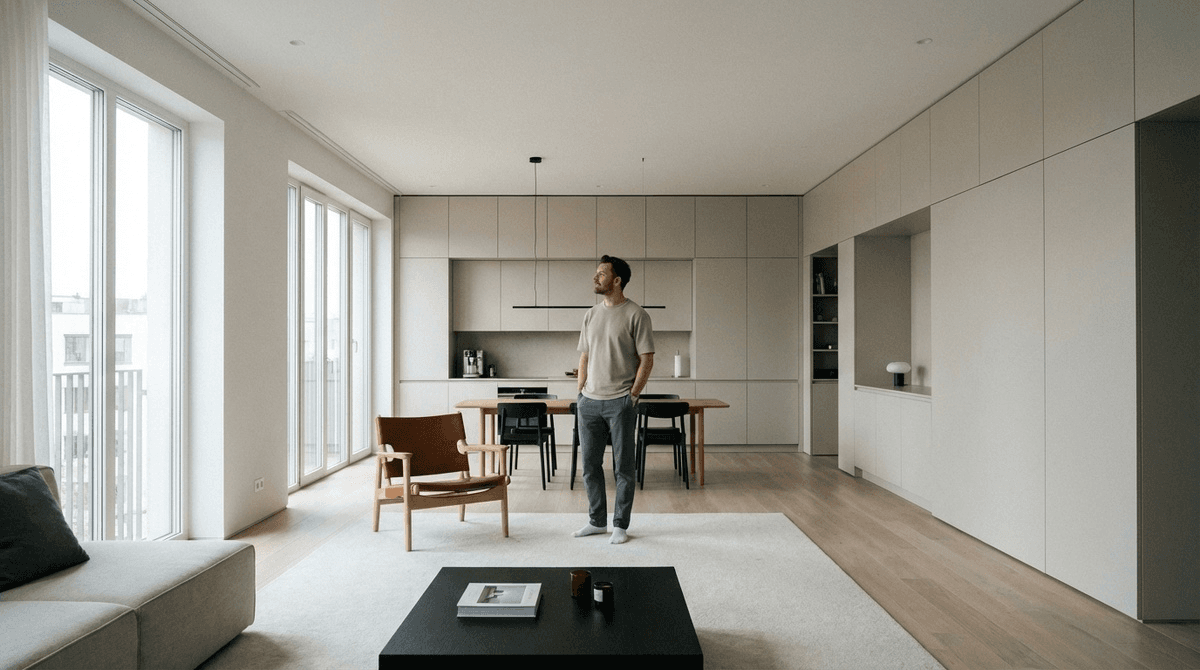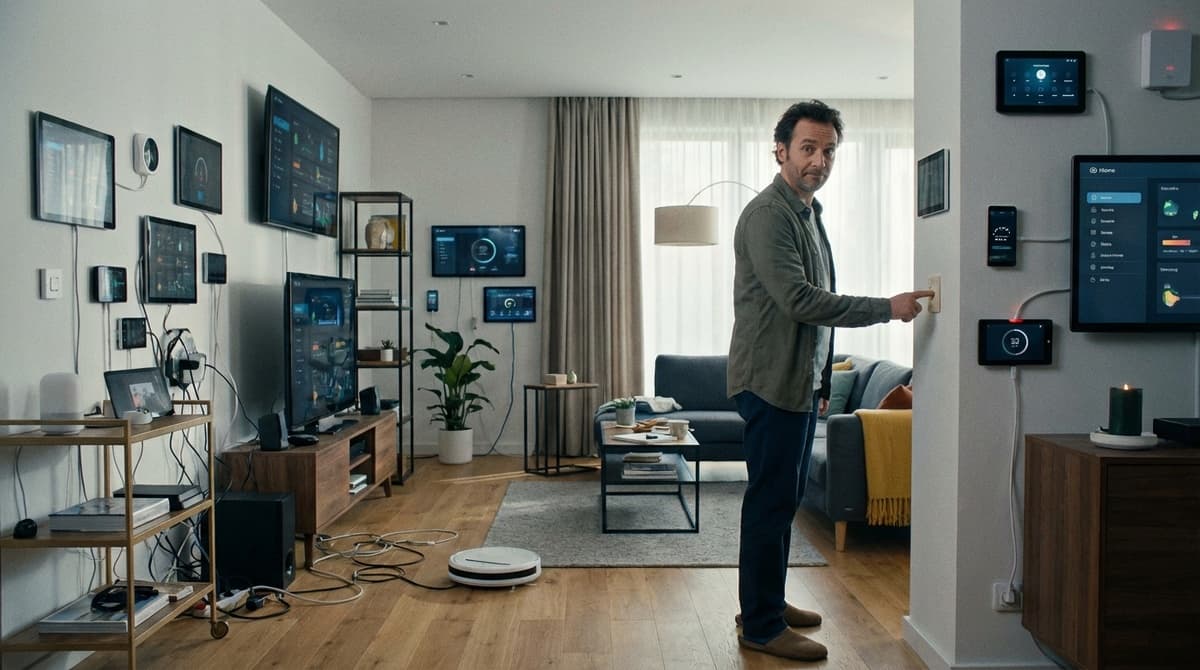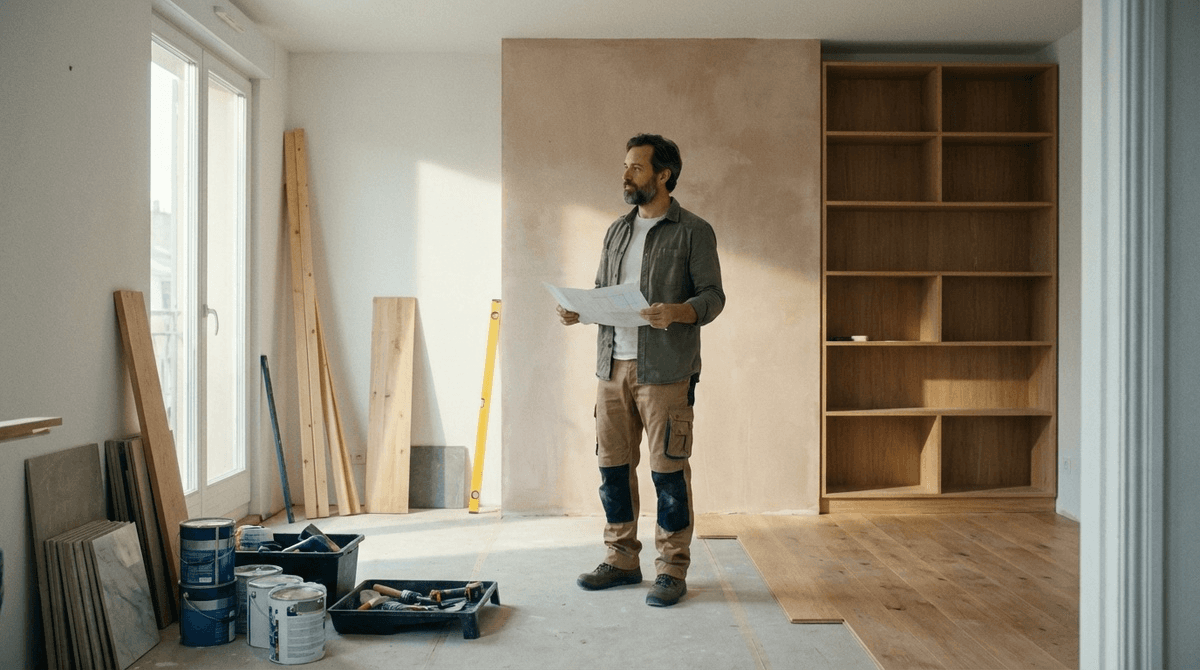
It's easy to fall into the heroism trap during renovation. It seems that doing everything yourself will be cheaper, better quality, and "just for you." I thought so during my first renovation. The result was predictable: exhaustion, rework, and a feeling that the house was assembled in heroic mode. Over time, I clearly divided the work into two groups. Those you really can and should do yourself. And those you'd better not touch at all, even if it seems "nothing complicated."

What you can do yourself without regrets
Life Scenarios Breakdown
This cannot be delegated at all.
Where you walk, where you sit, where you drop your things, how a typical evening unfolds. No one knows this but you. All decisions regarding layout, outlets, and lighting should start right here.
Choosing materials and logic, not brands
Compare, touch, feel, understand what you truly like.
It takes time, but saves nerves. Mistakes here are not fatal and almost always reversible.
Installation of simple elements
Shelves, hooks, accessories, part of the furniture.
If you have a knack for DIY, this is a reasonable area of responsibility. The biggest risk is overtightening a fastener, not ruining the entire apartment.
Scenario and detail setup
Light, automation, modes.
This is exactly the part where life experience matters more than instructions. It's useful to do it yourself, because you'll have to adjust it to your needs later anyway.
Where it's better not to meddle, even if you really want to
Electrical wiring in walls
Chases, switchboards, conduits.
One mistake here can drag on for years. Redoing it almost always means dust, destruction, and compromises. Electrical work should either be thoroughly planned or left completely untouched.
Water and everything that can leak
Connections, risers, concealed nodes.
Saving at this stage is the most expensive. The consequences don't appear immediately, but at the most inconvenient time.

Geometry and alignment
Walls, floors, corners.
It seems like "the furniture will cover it later." It won't. Imperfections show up everywhere: in cabinets, doors, tiles. This is the foundation that needs to be done once and done right.
Complex ceiling solutions
Multi-level structures, built-in systems.
A mistake here immediately affects the perception of space. It's difficult to fix and inconvenient to live with.
The main principle I've derived
I stopped asking myself "can I do this".
I started asking, "what happens if I make a mistake?"
If the mistake is reversible and doesn't ruin half the renovation, you can do it yourself. If the mistake is fixed in concrete, walls, or pipes, it's better not to go there.

Conclusion
Renovation without heroics is not about laziness. It's about responsibility. Do it yourself where you can control the outcome and calmly fix everything.
My conclusion is simple. A home should be the result of decisions, not feats. Anything that requires heroics almost always requires redoing.
I share these honest insights and practical approaches from real renovations separately, so that the project ends in peace of mind, not burnout.